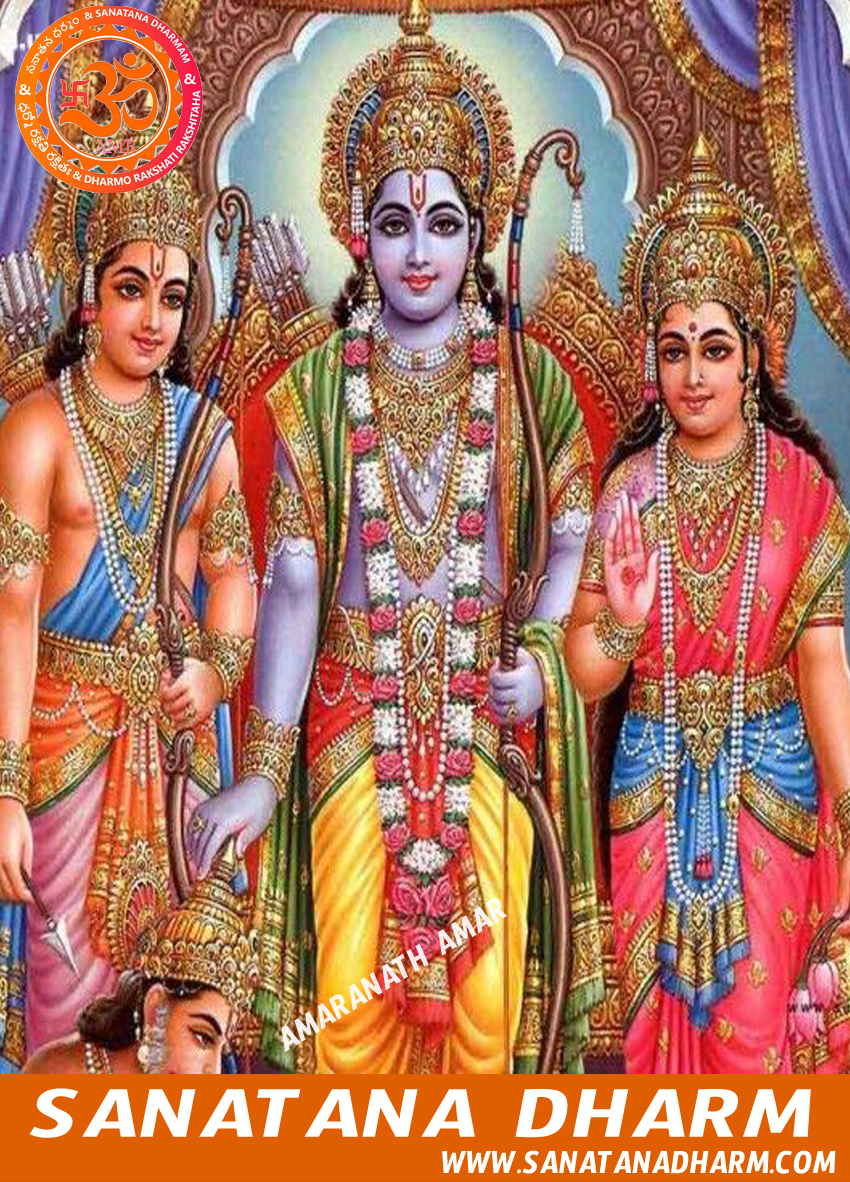
Rama, the foremost of those affording happiness to others, reached the aforesaid tree, worshipped the western twilight and spoke to Lakshmana as follows:
राम ने उस वृक्ष के पास पहुँचकर, पश्चिम दिशा की संध्या का ध्यान करते हुए, लक्ष्मण से कहा कि वे श्रेष्ठ लोगों को आनंदित करें।
Ayodhya Kanda – Sarga 53 · v2
अद्य इयम् प्रथमा रात्रिर् याता जन पदात् बहिः |
या सुमन्त्रेण रहिता ताम् न उत्कण्ठितुम् अर्हसि || २-५३-२
"This might which has got past us today outside the inhabited territory is the first night which has passed without Sumantra. You ought not repent over it."
आज यह पहली रात है जो तुम नगर से बाहर बिता रहे हो। सुमंत्र के बिना, तुम्हें इस रात के लिए व्याकुल नहीं होना चाहिए।
Ayodhya Kanda – Sarga 53 · v3
जागर्तव्यम् अतन्द्रिभ्याम् अद्य प्रभृति रात्रिषु |
योग क्षेमः हि सीताया वर्तते लक्ष्मण आवयोह् || २-५३-३
"Remaining free from lassitude, we must both keep awake during nights, from today Lakshmana! The safety and welfare of Sita indeed depend on us two."
यहाँ संस्कृत श्लोक का सरल हिंदी अनुवाद दिया गया है: लक्ष्मण, आज से रात में भी जागते रहना चाहिए और सावधान रहना चाहिए। क्योंकि सीता का कल्याण और हम दोनों का कुशलक्षेम इसी पर निर्भर है।
"Let us pass this night anyhow, Lakshmana! Let us lie down on the ground, covering it by straw, leaves and so on, procured by our own hands."
हे सौमित्रे, किसी तरह इस रात्रि को हम भूमि पर बिछाकर व्यतीत करेंगे। हमने स्वयं जो प्राप्त किया है, उसी से आच्छादन करेंगे।
Streching himself on the bare ground, Rama, who was accustomed to a luxurious coach, uttered the following suitable words to Lakshmana:
वह राम, जो भूमि पर लेटकर, अत्यंत मूल्यवान शय्या पर विश्राम कर रहे थे, लक्ष्मण से शुभ कथाएँ कहने लगे।
"Assuredly the emperor is sleeping badly tonight, while Kaikeyi, having realized her ambitions, ought to feel satisfied."
निश्चित रूप से, मैं आपकी सहायता कर सकता हूँ। **सरल हिंदी अनुवाद:** आज राजा दशरथ अवश्य ही दुखी होकर सोएंगे। कैकेयी की इच्छा पूरी हो गई है, इसलिए उसे प्रसन्न होना चाहिए।
Ayodhya Kanda – Sarga 53 · v7
सा हि देवी महा राजम् कैकेयी राज्य कारणात् |
अपि न च्यावयेत् प्राणान् दृष्ट्वा भरतम् आगतम् || २-५३-७
"Seeing Bharata returned, queen Kaikeyi, I am afraid, may not expel the lives of the emperor for the sake of kingdom."
कैकेयी के राज्य पाने के कारण, वह देवी भरत को आया हुआ देखकर भी अपने प्राणों का त्याग नहीं कर सकती थी।
Ayodhya Kanda – Sarga 53 · v8
अनाथः चैव वृद्धः च मया चैव विनाकृतः |
किम् करिष्यति काम आत्मा कैकेय्या वशम् आगतः || २-५३-८
"Aged and (therefore) helpless, deprived of my presence, what will he do, dominated as he is by his passion for Kaikeyi and who has fallen into the clutches of Kaikeyi."
यह श्लोक कहता है कि कैकेयी के वश में हुआ, अनाथ, बूढ़ा और मेरे बिना राजा दशरथ अब क्या करेंगे।
Ayodhya Kanda – Sarga 53 · v9
इदम् व्यसनम् आलोक्य राज्ञः च मति विभ्रमम् |
कामएव अर्ध धर्माभ्याम् गरीयान् इति मे मतिः || २-५३-९
"Reflecting on this misfortune of the king and his mental derangement, I deem that passion alone is greater than early gain and religious merit."
इस विपत्ति को देखकर और राजा के मन के भ्रम को समझकर, मेरा मानना है कि काम ही धर्म और अर्थ से अधिक महत्वपूर्ण है।
Ayodhya Kanda – Sarga 53 · v10
को हि अविद्वान् अपि पुमान् प्रमदायाः कृते त्यजेत् |
चन्द अनुवर्तिनम् पुत्रम् तातः माम् इव लक्ष्मण || २-५३-१०
"what man however deluded, what father on account of a woman, at his own will and pleasure, abandon a son like myself?
जो पिता अपने पुत्र लक्ष्मण के समान प्रिय पुत्र का त्याग कर दे, वह मूर्ख भी स्त्री के लिए ऐसा क्यों करेगा?
Ayodhya Kanda – Sarga 53 · v11
सुखी बत सभार्यः च भरतः केकयी सुतः |
मुदितान् कोसलान् एको यो भोक्ष्यति अधिराजवत् || २-५३-११
"Alas, Kaikeyi's son Bharata (alone) is happy along with his wife. Like an overlord, he is going to enjoy the prosperous kingdom of Kosala."
भरत, कैकेयी के पुत्र, धन्य हैं क्योंकि वे अपनी पत्नी के साथ मिलकर, एक महान राजा की तरह कोसल देश पर अकेले शासन करेंगे।
Ayodhya Kanda – Sarga 53 · v12
स हि सर्वस्य राज्यस्य मुखम् एकम् भविष्यति |
ताते च वयसा अतीते मयि च अरण्यम् आश्रिते || २-५३-१२
"Father is superannuated. I am staying in the forest. Bharata will become the prime head for the entire kingdom."
वह निश्चित रूप से संपूर्ण राज्य का एकमात्र मुख होगा। पिता के वृद्ध हो जाने पर और मेरे वन में चले जाने पर।
Ayodhya Kanda – Sarga 53 · v13
अर्थ धर्मौ परित्यज्य यः कामम् अनुवर्तते |
एवम् आपद्यते क्षिप्रम् राजा दशरथो यथा || २-५३-१३
"He who pursues sensuous pleasures neglecting his real interests and discipline soon comes to distress; in the same way as king Dasaratha has."
अर्थ और धर्म को छोड़कर जो केवल काम का अनुसरण करता है, वह राजा दशरथ की तरह शीघ्र ही विपत्ति में पड़ जाता है।
Ayodhya Kanda – Sarga 53 · v14
मन्ये दशरथ अन्ताय मम प्रव्राजनाय च |
कैकेयी सौम्य सम्प्राप्ता राज्याय भरतस्य च || २-५३-१४
"It seems that Kaikeyi came into our house, oh good brother, to bring about an end to Dasaratha, to send me into exile and to secure kingship for Bharata."
मैं मानता हूँ कि कैकेयी के कहने पर ही दशरथ ने मुझे वनवास भेजा और भरत को राज्य मिला।
Ayodhya Kanda – Sarga 53 · v15
अपि इदानीम् न कैकेयी सौभाग्य मद मोहिता |
कौसल्याम् च सुमित्राम् च सम्प्रबाधेत मत् कृते || २-५३-१५
"Blinded by pride of good fortune, Kaikeyi may even now persecute Kausalya and Sumitra because of their relationship with me."
कैकेयी के सौभाग्य के मद में डूबे होने के कारण, क्या वह अब कौशल्या और सुमित्रा को मेरे लिए कष्ट नहीं पहुंचाएगी?
Ayodhya Kanda – Sarga 53 · v16
मा स्म मत् कारणात् देवी सुमित्रा दुह्खम् आवसेत् |
अयोध्याम् इतएव त्वम् काले प्रविश लक्ष्मण || २-५३-१६
"Queen Sumitra is likely to suffer hardship because of her affinity to us. From this very place, you proceed to Ayodhya next morning, oh, Lakshmana!"
हे लक्ष्मण, तुम इसी समय अयोध्या में प्रवेश करो, ताकि देवी सुमित्रा मेरे कारण दुःख न पाएँ।
"I shall proceed to Dandaka forest alone with Sita, while you will be the protector for Kausalya, who has no defender."
मैं अकेला ही सीता के साथ दंडकारण्य को जाऊँगा। तुम कौशल्या के लिए अनाथ के नाथ बनोगे।
Ayodhya Kanda – Sarga 53 · v18
क्षुद्र कर्मा हि कैकेयी द्वेषात् अन्याय्यम् आचरेत् |
परिदद्या हि धर्मज्ञे भरते मम मातरम् || २-५३-१८
"Kaikeyi of base deeds may resort to unjustified means to be disliked. Give (for protection) my mother to Bharata, oh virtuous Prince!"
कैकेयी ने द्वेषवश छोटा काम किया और अन्याय किया। धर्म को जानने वाले भरत को मेरी माँ को सौंप दिया।
"In some other (past) birth, women must have been deprived of their sons by my mother (Kausalya), oh, Lakshmana! For that reason this has arisen certainly."
निश्चित रूप से, मैं आपकी सहायता कर सकता हूँ। **सरल हिंदी अनुवाद:** निश्चित रूप से, किसी अन्य जाति की स्त्रियाँ भी पुत्रों से बिछड़ जाती हैं। हे सौमित्रे, मेरी माँ के साथ भी ऐसा ही हुआ है।
Ayodhya Kanda – Sarga 53 · v20
मया हि चिर पुष्टेन दुह्ख सम्वर्धितेन च |
विप्रायुज्यत कौसल्या फल काले धिग् अस्तु माम् || २-५३-२०
"At a time when Kausalya should have obtained benefits for her labors repaid by me, she has been deprived of my company by me, who was nurtured by her for a long time and brought up with great pains. Woe to me."
मेरे द्वारा लंबे समय तक पाले गए और दुखों से बढ़ाए गए, फल प्राप्ति के समय मुझे कौशल्या से बिछोड़ने वाले मुझ धिक्कार योग्य को धिक्कार है।
Ayodhya Kanda – Sarga 53 · v21
मा स्म सीमन्तिनी काचिज् जनयेत् पुत्रम् ईदृशम् |
सौमित्रे यो अहम् अम्बाया दद्मि शोकम् अनन्तकम् || २-५३-२१
"Let no woman ever give birth to such a son as myself, who have caused perpetual grief to my mother, oh, Lakshmana!"
हे सौमित्रे, कोई भी स्त्री ऐसा पुत्र उत्पन्न न करे, जो अपनी माता को मेरे समान यह अनंत शोक दे।
Ayodhya Kanda – Sarga 53 · v22
मन्ये प्रीति विशिष्टा सा मत्तः लक्ष्मण सारिका |
यस्याः तत् श्रूयते वाक्यम् शुक पादम् अरेर् दश || २-५३-२२
"Oh, Lakshmana! I think that myna (which is kept as a pet by mother Kausalya) is more affectionate than I, since her are heard the words, "Bite, oh parrot, the foot of the enemy."
मैं मानता हूँ कि सारिका पक्षी (मैना) मुझसे अधिक प्रेम करती है, क्योंकि उसके मुख से तोते के पैर (अर्थात तोते की तरह बोलने की क्षमता) और शत्रु के दाँत (अर्थात कड़वी बातें) सुनने में आती हैं।
Ayodhya Kanda – Sarga 53 · v23
शोचन्त्याः च अल्प भाग्याया न किंचित् उपकुर्वता |
पुर्त्रेण किम् अपुत्राया मया कार्यम् अरिम् दम || २-५३-२३
"What can be done by me, her son, who cannot go to her aid even a little to her, my mother, who is weeping, who is unfortunate and who has no son, oh conqueror of foes?"
अल्प भाग्य वाली दुखी स्त्री के लिए, जो पुत्र होने पर भी कुछ नहीं कर पाता, उस पुत्र से क्या लाभ? पुत्रहीन स्त्री के लिए तो मैं (अर्थात शत्रु का दमन करने वाला) क्या कर सकता हूँ।
Ayodhya Kanda – Sarga 53 · v24
अल्प भाग्या हि मे माता कौसल्या रहिता मया |
शेते परम दुह्ख आर्ता पतिता शोक सागरे || २-५३-२४
"Kausalya my mother of poor luck indeed, bereft of me, is stricken with great melancholy and lies plunged in a sea of grief"
मेरी माता कौशल्या मुझसे विरहित होने के कारण अत्यंत भाग्यहीन हैं। वह अत्यंत दुखी होकर, शोक के सागर में डूबी हुई शयन कर रही हैं।
Ayodhya Kanda – Sarga 53 · v25
एको हि अहम् अयोध्याम् च पृथिवीम् च अपि लक्ष्मण |
तरेयम् इषुभिः क्रुद्धो ननु वीर्यम् अकारणम् || २-५३-२५
"Enraged, I can subdue with my arrows single handed not only Ayodhya but also the earth. But it is not a question of valor here."
मैं अकेला ही अयोध्या और पृथ्वी को भी पार कर सकता हूँ, लक्ष्मण। क्रोधित होने पर मैं बाणों से सब कुछ जीत सकता हूँ, क्या यह शक्ति व्यर्थ है?
Ayodhya Kanda – Sarga 53 · v26
अधर्म भय भीतः च पर लोकस्य च अनघ |
तेन लक्ष्मण न अद्य अहम् आत्मानम् अभिषेचये || २-५३-२६
"Oh, the sinless Lakshmana! I am terribly concerned of doing wrong and of ruining my prospects in the other world. Hence, I do not allow myself to be crowned."
हे निष्पाप लक्ष्मण, अधर्म के भय से और परलोक के भय से, आज मैं अपना राज्याभिषेक नहीं करूँगा।
Ayodhya Kanda – Sarga 53 · v27
एतत् अन्यच् च करुणम् विलप्य विजने बहु |
अश्रु पूर्ण मुखो रामः निशि तूष्णीम् उपाविशत् || २-५३-२७
Rama during the night in that lonely forest, wailed piteously thus and in so many other ways and sat quite, his face full of tears.
यहाँ संस्कृत श्लोक का सरल हिंदी अनुवाद दिया गया है: यह सुनकर राम एकांत में बहुत करुणापूर्वक विलाप करते हुए, रात में आँसुओं से भरा मुख लिए चुपचाप बैठ गए।
Lakshmana consoled Rama as follows when the later had ceased lamenting like a fire whose flames had gone out and as a sea without a violent motion.
लक्ष्मण ने विलाप करके शांत हुए, बुझे हुए अग्नि के समान राम को, निर्बल समुद्र के समान सांत्वना दी।
"The city of Ayodhya, now that you have come away from it, has certainly been divested of its splendor and resembles a night without the moon, Oh, Rama the jewel among armed warriors!"
हे राम, आज अयोध्या नगरी युद्ध करने वालों के लिए श्रेष्ठ है। तुम्हारे चले जाने पर यह नगरी चन्द्रमा के बिना रात की तरह निष्प्रभ हो गई है।
Ayodhya Kanda – Sarga 53 · v30
न एतत् औपयिकम् राम यद् इदम् परितप्यसे |
विषादयसि सीताम् च माम् चैव पुरुष ऋषभ || २-५३-३०
"It is not proper, oh Rama, that you should grieve in this way. You cause distress to Sita and me too, oh jewel among men!"
हे राम, तुम इस प्रकार दुखी हो रहे हो, यह उचित नहीं है। तुम सीता को और मुझे भी क्यों कष्ट दे रहे हो?
Ayodhya Kanda – Sarga 53 · v31
न च सीता त्वया हीना न च अहम् अपि राघव |
मुहूर्तम् अपि जीवावो जलान् मत्स्याव् इव उद्धृतौ || २-५३-३१
"Oh, Rama! Bereft of you , neither Sita nor I will not survive even for a moment, like fish pulled out of water."
हे राघव, तुम्हारे बिना सीता भी नहीं रह सकती और मैं भी नहीं। हम दोनों जल से निकाले गए मछलियों की तरह एक पल भी जीवित नहीं रह सकते।
Ayodhya Kanda – Sarga 53 · v32
न हि तातम् न शत्रुघ्नम् न सुमित्राम् परम् तप |
द्रष्टुम् इच्चेयम् अद्य अहम् स्वर्गम् वा अपि त्वया विना || २-५३-३२
"Oh, Rama causing pain to the foes! Without you, I do not wish to see either our father or Satrughna or Sumitra or even the heaven."
हे तात, शत्रुघ्न, सुमित्रा और स्वर्ग को भी मैं तुम्हारे बिना आज देखना नहीं चाहता।
Then Rama and Lakshmana the lovers of piety, sitting comfortably there and on seeing a bed well- prepared under a banyan tree, sought for the bed.
तब वहाँ सुखपूर्वक बैठे हुए उन धर्मपरायणों ने, अधिक दूर न देखकर, बरगद के पेड़ पर बनी हुई सुंदर शय्या पर विश्राम किया।
Ayodhya Kanda – Sarga 53 · v34
स लक्ष्मणस्य उत्तम पुष्कलम् वचो |
निशम्य च एवम् वन वासम् आदरात् |
समाः समस्ता विदधे परम् तपः |
प्रपद्य धर्मम् सुचिराय राघवः || २-५३-३४
Attentively hearing Lakshmana's words which were excellent and wholistic and adopting for a fairly long period the course of conduct prescribed for hermits, Rama resolved to spend all the fourteen years in exile with Lakshmana.
लक्ष्मण के उत्तम वचनों को सुनकर, अत्यंत आदरपूर्वक, धर्म का पालन करते हुए, श्री राम ने बहुत लंबे समय तक वनवास के रूप में परम तपस्या की।
Thence forward, those two powerful offspring of the Raghu race (Rama and Lakshmana) never admitted fear or agitation (while dwelling) in that vast and lonely forest any more than a couple of lions on the slopes of a mountain.
तब उस सुनसान वन में, महाबली रघुवंशी राम और लक्ष्मण को, जैसे पर्वत की चोटियों पर विचरण करने वाले सिंह भय या घबराहट नहीं होती, वैसे ही कोई भय या घबराहट नहीं हुई